
From powerful thunderstorms to icy winters and everything in between, the Midwest delivers weather that pushes siding contractors to their limits. In this blog, you’ll learn why Midwest siding pros need specialized insurance, the most common weather and jobsite risks, how to protect your tools and crew, seasonal insurance strategies, and cost-effective ways to keep your business resilient, no matter what Mother Nature throws at you.
Why Siding contractors need Insurance
Midwest weather doesn’t mess around. Between our brutal winters, severe thunderstorms, and the occasional tornado, our buildings take a beating year after year. That’s why siding work is such a crucial part of the construction industry here, and why siding contractors face some pretty unique risks that require specialized insurance protection.
I remember talking to a siding contractor in Maple Grove who was working on a re-siding project when a sudden hailstorm hit. Not only did the hail damage the new siding he’d just installed, but flying debris from his scaffolding broke three windows on the neighboring house. The total claim exceeded $25,000, and that was just from a 20-minute storm.
That’s the reality of siding work in the Midwest, you’re constantly battling the elements, working at heights, and dealing with expensive materials and equipment. Without proper siding contractor insurance Midwest coverage, one bad day can wipe out months of profits.
Midwest Weather: Your Biggest Challenge and Risk
Let’s be honest: Midwest weather is tough on everyone, but it’s particularly challenging for siding contractors. Our freeze-thaw cycles can wreak havoc on building materials, and working outdoors means you’re constantly exposed to changing conditions.
Wind damage is a major concern. The Midwest sees some serious windstorms, and when you’re working with large sheets of siding or operating scaffolding, wind can turn your job site into a hazard zone. I’ve seen contractors lose control of siding panels in high winds, causing damage to vehicles, windows, and neighboring properties.
Hail damage can destroy newly installed siding and create liability issues if debris from your work site damages other property. Even small hail can dent aluminum or vinyl siding, requiring expensive repairs or replacement.
Ice and snow create obvious safety hazards, but they also affect the quality of your work. Installing siding in cold weather requires special techniques and materials, and mistakes made during winter installations often don’t show up until spring thaw.
Sudden weather changes can catch you off guard. Midwest weather can go from calm to severe in minutes, and if you’re not prepared, you could face property damage claims or safety incidents.
Property Damage Risks and Liability
Siding work involves some inherent risks that can lead to expensive property damage claims. You’re working with power tools, heavy materials, and often operating at significant heights around other people’s property.
Scaffolding and ladder accidents can damage roofing, gutters, windows, and landscaping. Even experienced contractors have accidents, and when scaffolding collapses or ladders fall, the damage can be extensive.
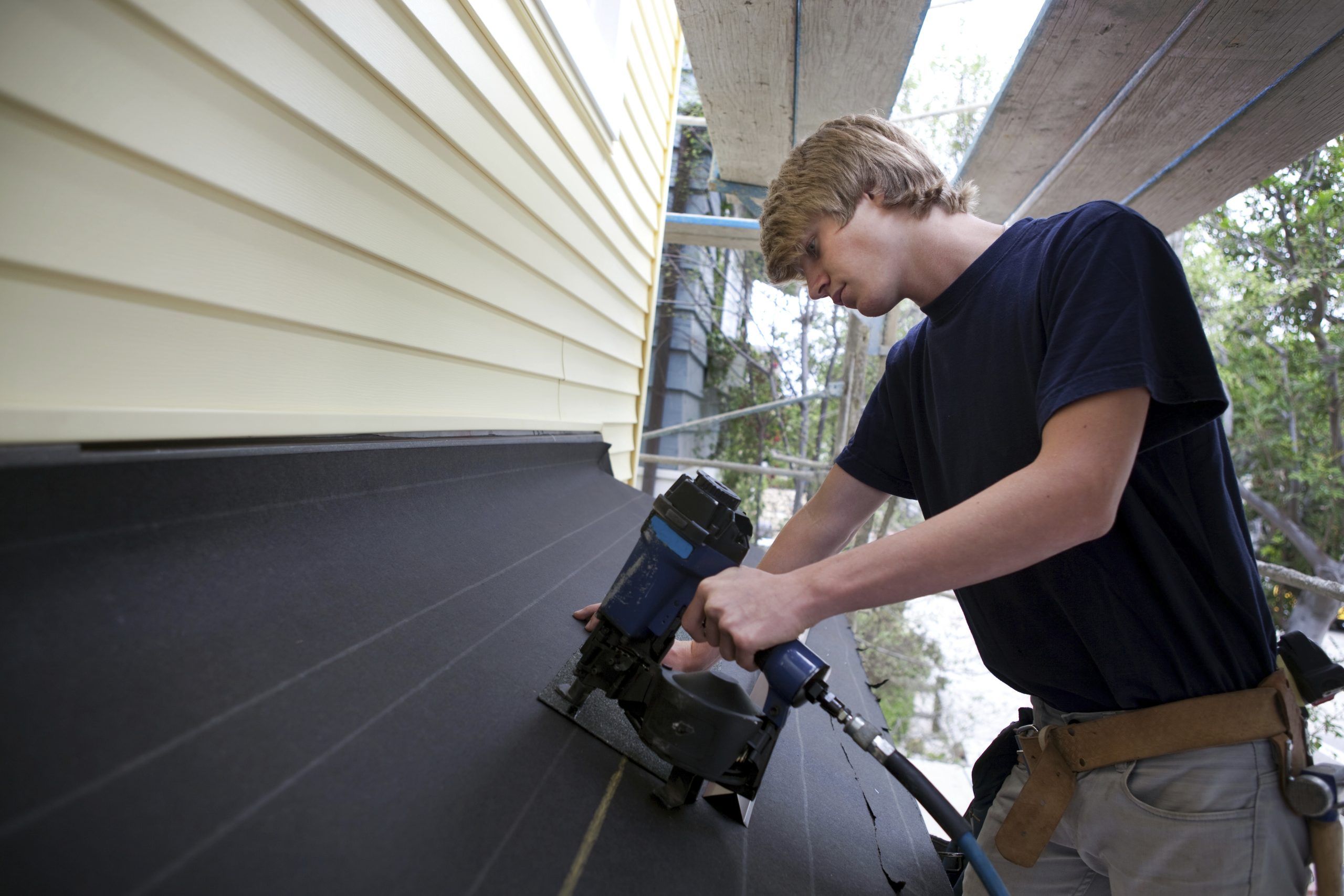
Tool and equipment damage happens more often than you’d think. Nail guns can misfire, saws can kick back, and power tools can malfunction. When these accidents happen near windows, vehicles, or other structures, the repair bills add up quickly.
Material handling incidents are common in siding work. Siding panels are large and unwieldy, especially in windy conditions. Dropping or losing control of materials can cause significant damage to property below.
Water infiltration can occur if siding installation is interrupted by weather or if proper moisture barriers aren’t installed correctly. Water damage claims can be particularly expensive because the damage often spreads beyond the immediate work area.
Tools and Equipment Protection
Siding contractors typically invest heavily in specialized tools and equipment. Pneumatic nailers, siding brakes, scaffolding systems, and power tools can easily represent $20,000 or more in equipment value.
Theft is a constant concern, especially on job sites where equipment is left overnight. Siding tools are valuable and portable, making them attractive targets for thieves. I know one contractor who lost $15,000 worth of tools when his trailer was stolen from a job site in St. Paul.
Weather damage can destroy equipment quickly. Tools left exposed to sudden storms can be damaged by hail, wind, or flooding. Even tools stored in vehicles or trailers can be damaged if severe weather strikes.
Accidental damage happens during normal work activities. Tools can be dropped from heights, damaged by falling debris, or destroyed in vehicle accidents. Without proper coverage, replacing essential tools can put you out of business temporarily.
Most standard business insurance policies provide limited coverage for tools and equipment. Siding contractors usually need additional coverage or higher limits to adequately protect their investment in specialized equipment.
Working at Heights: Additional Safety Risks
Siding installation often requires working at significant heights, which creates additional liability exposures that other contractors don’t face.
Fall protection is required by OSHA for work above certain heights, but accidents still happen. When workers fall, the injuries are often severe, leading to expensive workers’ compensation claims and potential liability issues.
Dropped objects are a constant hazard when working at height. Tools, materials, or debris that fall from scaffolding or ladders can injure people below or damage property. Even a small tool dropped from two stories can cause serious injury.
Scaffolding failures can be catastrophic. If scaffolding collapses or is improperly erected, the resulting injuries and property damage can be extensive. Proper training and equipment are essential, but accidents can still occur.
Weather-related incidents are more dangerous when working at height. Wind, rain, or ice can make elevated work extremely hazardous, and contractors often face pressure to continue working in marginal conditions to meet deadlines.
Seasonal Work Considerations
Many siding contractors in the Midwest see significant seasonal variations in their work volume. The short construction season means you’re often working under pressure to complete projects before winter, which can increase the risk of accidents and quality issues.
Spring rush is when many contractors see their busiest period. Property owners want to get siding projects done after winter damage is discovered, leading to a surge in demand. This is also when many accidents happen, as contractors take on more work than they can safely handle.
Summer storms can interrupt projects and create additional risks. Partially completed siding installations are vulnerable to weather damage, and contractors may face pressure to work in marginal conditions to stay on schedule.
Fall deadline pressure intensifies as winter approaches. Contractors often rush to complete exterior work before cold weather sets in, which can lead to safety shortcuts and quality issues.
Winter limitations mean that most exterior siding work stops during the coldest months. This seasonal income variation affects insurance needs and cash flow planning.
Cost-Effective Coverage Options
Siding contractor insurance doesn’t have to break the bank if you make smart choices about coverage and work with an agent who understands your business.
Bundle your policies to save money. Most insurers offer discounts when you combine general liability, commercial auto, workers’ comp, and property coverage. You might save 15-25% compared to buying separate policies.
Choose appropriate deductibles to balance premium costs with out-of-pocket risk. Higher deductibles can significantly reduce your premiums, but make sure you can afford to pay the deductible if you have a claim.
Seasonal adjustments can help manage costs. If you scale back operations during winter months, talk to your agent about adjusting your coverage accordingly. Why pay for full summer staffing levels when you’re running a minimal crew?
Safety investments pay off in lower premiums over time. Insurers reward contractors who invest in safety training, proper equipment, and documented safety procedures. A good safety record can lead to substantial premium discounts.
Can Do’s Siding Contractor Solutions
At Can Do Insurance, we understand the unique challenges that siding contractors face in the Midwest. We work with insurers who specialize in contractor coverage and understand the specific risks associated with exterior work.
We can help you navigate the various coverage options and find the right balance between protection and affordability. Whether you’re a small residential contractor or a larger commercial operation, we’ll craft coverage that matches your specific needs and risk profile.
We also understand that your business may be seasonal or that your coverage needs might change as you grow. We’re here to adjust your policies as your business evolves, ensuring that you always have appropriate protection without paying for coverage you don’t need.
Because at the end of the day, proper insurance isn’t just about meeting contract requirements—it’s about ensuring that you can continue providing essential services that keep Midwest buildings protected, no matter what Mother Nature throws your way.
Can Do Insurance — Why Us?
Can Do Insurance offers flexible coverage options and customized affordable rates for Contractors across the nation, but we specialize in coverage in the Midwest, backed by excellent customer service and a personalized insurance underwriter experience! By having your own personal insurance underwriter, you can guarantee that you have the best rates possible and the most flexible coverage that is designed specifically for you and your business.
*Content Disclaimers. Additional Disclaimers or Information in the Terms of Service*
1. Accuracy of Information
◦ “While we strive to ensure the accuracy of the information on this website, we make no guarantees or warranties of any kind, express or implied, about the completeness, accuracy, reliability, suitability, or availability of the information. Any reliance you place on such information is strictly at your own risk.”
2. Third-Party Links
◦ “This website may contain links to third-party websites. We have no control over the content of these sites and accept no responsibility for any loss or damage that may arise from your use of them.”
3. No Professional Advice
◦ “The information provided on this website is not intended to be a substitute for professional advice. Always seek the advice of a qualified professional with any questions you may have regarding insurance products.”
4. Indemnification
◦ “You agree to indemnify, defend, and hold harmless Can Do Insurance, its officers, directors, employees, agents, and third parties, for any losses, costs, liabilities, and expenses (including reasonable attorney’s fees) relating to or arising out of your use of the website or violation of these terms and conditions.”