

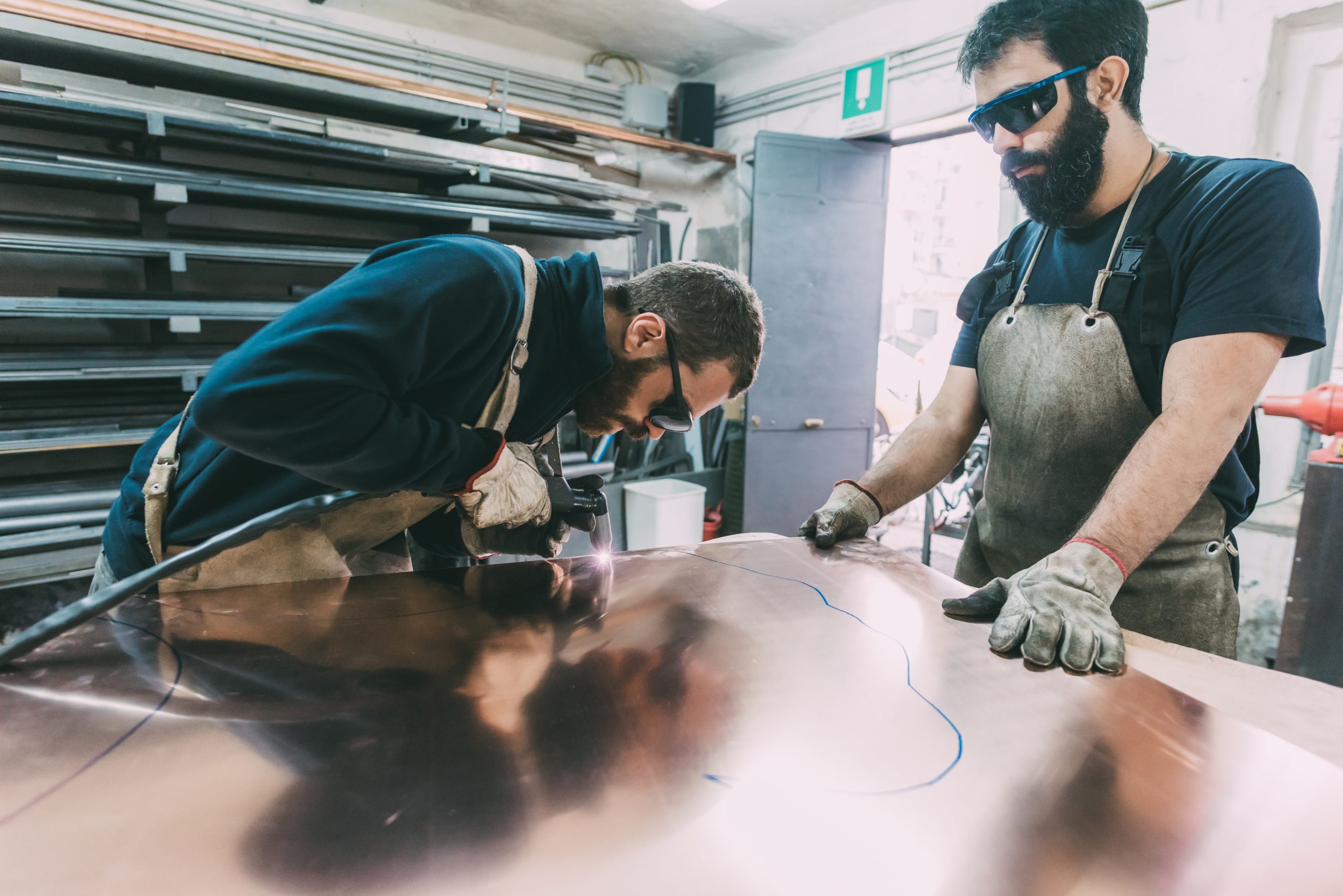
Sheet metal work is essential across the Midwest, supporting projects from HVAC ductwork to eye-catching architectural features. In this blog, we’ll dive into the key risks Midwest sheet metal businesses face, why precision matters, and how tailored insurance can safeguard your business from costly errors, equipment breakdowns, and liability claims.
Why Midwest general contractors need Insurance
Sheet metal work is one of those trades that most people don’t think about until they need it. But from HVAC ductwork to custom architectural elements, sheet metal contractors play a crucial role in the Midwest’s construction industry. And with that role comes some pretty specific risks that require specialized insurance protection.
I remember working with a sheet metal contractor in Indianapolis who was fabricating custom ductwork for a high-end restaurant. A measurement error meant that the entire system had to be scrapped and rebuilt, costing over $30,000 in materials and labor. Without proper professional liability coverage, that mistake could have put him out of business.
That’s the reality of sheet metal work: precision is everything, and when things go wrong, the costs can be substantial. That’s why sheet metal contractor need insurance coverage that doesn’t just meet the basic requirements: it’s about protecting yourself against the unique and costly risks of working with metal fabrication and installation.
Unique Risks in Sheet Metal Fabrication
Sheet metal work combines manufacturing and construction, which creates some unusual risk exposures that other contractors don’t face.
Precision requirements in sheet metal work are extremely tight. A few millimeters off in a custom fabrication can mean scrapping the entire piece and starting over. When you’re working with expensive materials and tight deadlines, these mistakes can be costly.
Custom fabrication liability is a major concern. Unlike other trades where you’re installing standard products, sheet metal contractors often create one-off pieces based on architectural drawings or customer specifications. If there’s any miscommunication or if the finished product doesn’t fit properly, you could be looking at expensive rework.
Material costs in sheet metal work can be substantial. Stainless steel, aluminum, and specialty alloys are expensive, and if a fabricated piece is damaged or doesn’t meet specifications, the material loss alone can be significant.
Sharp edges and cutting hazards are constant safety concerns. Sheet metal work involves cutting, forming, and handling materials with sharp edges. Worker injuries from cuts and lacerations are common, leading to workers’ compensation claims.
Product Liability for Custom Work
When you fabricate custom sheet metal products, you’re essentially manufacturing items that become part of buildings or equipment. This creates product liability exposures that many contractors don’t fully understand.
Structural failures can occur if fabricated components don’t meet load requirements or if design errors lead to failures. I know a contractor who fabricated custom brackets for a building facade, and when one failed due to wind loading, the resulting damage exceeded $85,000.
Corrosion and material failures can develop over time, especially in the Midwest’s varying climate. If your fabricated products fail prematurely due to material selection or fabrication errors, you could be liable for replacement costs and any resulting damage.
Installation errors can cause problems even when the fabrication is perfect. If custom ductwork doesn’t fit properly or if architectural elements aren’t installed correctly, the resulting problems can be expensive to fix.
Design responsibility can be tricky in custom work. If you’re working from incomplete drawings or if you make design modifications during fabrication, you could be held responsible for any resulting problems.
Heavy Equipment and Tools Coverage
Sheet metal contractors typically invest heavily in specialized equipment that requires specific insurance considerations.
Fabrication equipment including brakes, shears, and forming machines can cost tens of thousands of dollars. This equipment is essential to your business, and being without it can shut down operations completely.
Welding equipment requires special consideration because of fire and explosion risks. Welding operations can cause fires or explosions, and the resulting damage can be extensive. Some insurers require special safety procedures for welding operations.
Transportation equipment for moving large fabricated pieces can be expensive and specialized. Custom trailers, cranes, and lifting equipment need adequate coverage because they’re essential for delivering and installing your products.
Computer-controlled equipment is increasingly common in modern sheet metal shops. CNC machines, plasma cutters, and other computerized equipment can be expensive to replace and may require specialized coverage.
Commercial Property Protection
Sheet metal contractors often operate from shops or warehouses that contain valuable equipment, materials, and work in progress. Proper commercial property coverage is essential.
Inventory protection is important because sheet metal materials can be expensive. Stainless steel, aluminum, and specialty alloys represent significant value, and theft or damage can be costly.
Work in progress coverage protects partially completed fabrications. If a fire or other covered loss damages custom work that’s in progress, you need coverage that will pay for the materials and labor invested in the project.
Business interruption coverage helps replace lost income if your shop is damaged and you can’t operate. Sheet metal work often involves tight deadlines, and being unable to complete projects on time can result in significant financial losses.
Equipment breakdown coverage protects against mechanical failures of essential equipment. When a critical machine breaks down, the repair costs and business interruption can be substantial.
Midwest Industrial Market Insights
The Midwest’s industrial base creates steady demand for sheet metal work. From food processing plants to manufacturing facilities, there’s a consistent need for custom ductwork, equipment enclosures, and architectural metalwork.
HVAC work represents a large portion of the sheet metal market in the Midwest. Our varied climate means that heating and cooling systems are critical, and proper ductwork is essential for efficiency and comfort.
Industrial applications include everything from equipment enclosures to custom ventilation systems. The Midwest’s manufacturing sector creates demand for specialized sheet metal work that requires high precision and quality.
Architectural metalwork is growing as architects increasingly specify custom metal elements for both interior and exterior applications. This work often involves higher-end materials and tighter tolerances than traditional HVAC work.
Seasonal considerations affect the sheet metal industry, with exterior work typically concentrated in warmer months. However, interior work and shop fabrication can continue year-round.
Cost-Effective Bundling Options
Sheet metal contractor insurance can be expensive if you don’t structure it properly, but there are ways to get comprehensive coverage at reasonable rates.
Package policies that combine general liability, commercial property, and inland marine coverage often provide better value than separate policies. Many insurers offer contractor packages specifically designed for fabrication businesses.
Equipment coverage can often be bundled with your commercial property policy for better rates. This is particularly important for expensive fabrication equipment that might not be adequately covered under standard property policies.
Professional liability coverage for design errors and omissions is often available as an add-on to general liability policies. This can be more cost-effective than buying separate professional liability coverage.
Workers’ compensation rates for sheet metal work are generally moderate compared to other construction trades, but proper safety programs can help keep rates low and may qualify you for premium discounts.
Can Do’s Metalworking Knowledge
At Can Do Insurance, we understand the unique challenges that sheet metal contractors face in the Midwest. We work with insurers who understand fabrication businesses and can provide appropriate coverage for your specific risks.
We know that sheet metal work combines manufacturing and construction risks, and we can help you navigate the various coverage options to ensure adequate protection. Whether you’re primarily doing HVAC work or custom architectural fabrication, we’ll craft coverage that matches your specific business model.
Our agents understand the importance of equipment coverage for fabrication businesses. We can help ensure that your expensive machinery is properly covered and that you have adequate business interruption protection if equipment failures shut down your operations.
When you have a claim, we’re your advocate with the insurance company. We understand the technical aspects of sheet metal work and can help ensure that claims are handled fairly and efficiently.
Sheet metal contractor insurance Midwest coverage requires understanding of both manufacturing and construction risks. With the right policy and the right agent, you can protect your investment in equipment and materials while building a successful business that serves the Midwest’s industrial and construction markets.
Because in a trade where precision is everything and mistakes can be expensive, proper insurance isn’t just protection—it’s the foundation that allows you to take on challenging projects and grow your business with confidence, knowing that you’re protected against the unique risks of metal fabrication and installation.
Can Do Insurance — Why Us?
Can Do Insurance offers flexible coverage options and customized affordable rates for Contractors across the nation, but we specialize in coverage in the Midwest, backed by excellent customer service and a personalized insurance underwriter experience! By having your own personal insurance underwriter, you can guarantee that you have the best rates possible and the most flexible coverage that is designed specifically for you and your business.
*Content Disclaimers. Additional Disclaimers or Information in the Terms of Service*
1. Accuracy of Information
◦ “While we strive to ensure the accuracy of the information on this website, we make no guarantees or warranties of any kind, express or implied, about the completeness, accuracy, reliability, suitability, or availability of the information. Any reliance you place on such information is strictly at your own risk.”
2. Third-Party Links
◦ “This website may contain links to third-party websites. We have no control over the content of these sites and accept no responsibility for any loss or damage that may arise from your use of them.”
3. No Professional Advice
◦ “The information provided on this website is not intended to be a substitute for professional advice. Always seek the advice of a qualified professional with any questions you may have regarding insurance products.”
4. Indemnification
◦ “You agree to indemnify, defend, and hold harmless Can Do Insurance, its officers, directors, employees, agents, and third parties, for any losses, costs, liabilities, and expenses (including reasonable attorney’s fees) relating to or arising out of your use of the website or violation of these terms and conditions.”