

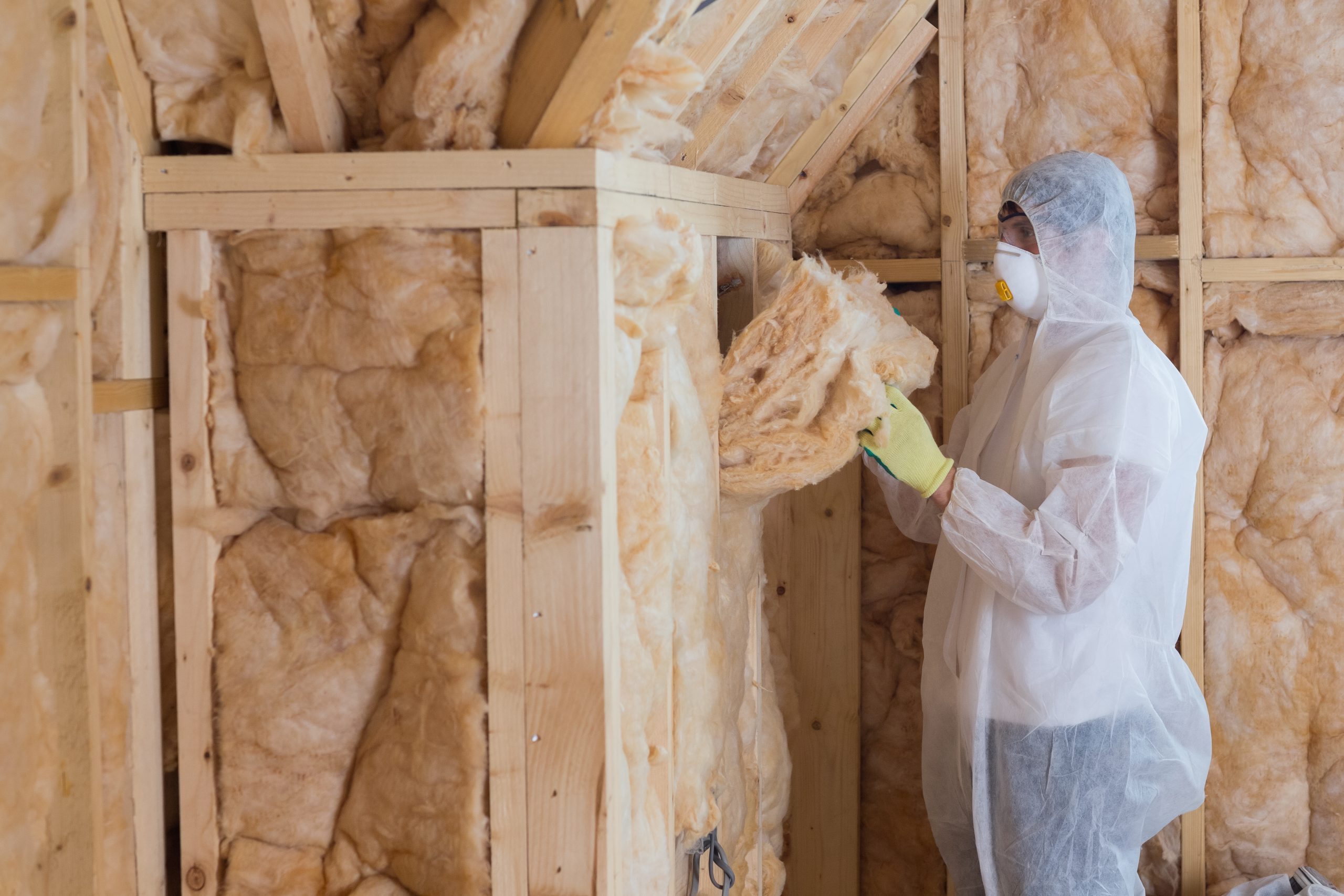
Insulation work across the Midwest may appear low-risk at first glance, but contractors know better—hidden health hazards, environmental exposures, and code compliance challenges can quickly turn a simple job into a financial crisis. In this blog, we’ll highlight the real risks Midwest insulation contractors face, such as hazardous material discoveries, air quality exposures, equipment needs, and how the right insurance safeguards your livelihood and business.
Why Midwest general contractors need Insurance
Working with insulation might seem like one of the safer construction trades, but anyone who’s actually done this work knows better. Between health hazards from older materials, the challenges of working in tight spaces, and the potential for energy efficiency claims, insulation contractors face some pretty specific risks that require specialized insurance protection.
I’ll never forget the insulation contractor in Omaha who discovered asbestos-containing materials while upgrading attic insulation in a 1960s home. What started as a simple energy efficiency project turned into a $40,000 environmental remediation job. Fortunately, he had proper environmental liability coverage, but it was a stark reminder of how quickly insulation work can become complicated.
That’s why insulation contractor insurance Midwest coverage isn’t just about meeting basic requirements—it’s about protecting yourself against the unique risks that come with this specialized trade.
Health Hazards: The Hidden Dangers of Insulation Work
Let’s start with the elephant in the room—health hazards. Insulation work exposes contractors to a variety of potentially dangerous materials, and the health risks can lead to expensive liability claims.
Asbestos exposure is a major concern for insulation contractors working on older buildings. Many homes and commercial buildings built before 1980 contain asbestos insulation, and disturbing these materials without proper precautions can create serious health hazards and legal liability.
Fiberglass irritation affects almost everyone who works with traditional insulation materials. While not as serious as asbestos exposure, fiberglass can cause respiratory problems, skin irritation, and eye damage. Workers with ongoing health issues may file workers’ compensation claims or personal injury lawsuits.
Chemical exposure from spray foam insulation and other modern materials can cause respiratory problems, skin sensitization, and other health issues. Some spray foam products release toxic fumes during application, requiring specialized ventilation and safety equipment.
Mold and moisture issues are common in insulation work, especially when upgrading insulation in areas with existing moisture problems. Exposure to mold can cause health concerns, and contractors can be held liable if they don’t properly address moisture issues before new insulation is installed.
Environmental Liability Concerns
Insulation work often involves environmental considerations creating liability exposures—an especially important issue in the Midwest where regulations can be strict.
Asbestos abatement requires special licensing and procedures. Disturbing asbestos-containing materials without proper precautions can lead to regulatory fines, cleanup costs, and liability for health damages.
Disposal requirements for old insulation materials can be complex. Some need special handling and disposal, and improper disposal can result in environmental violations and cleanup costs.
Air quality issues can arise in occupied buildings. If your work generates dust, fumes, or other irritants that impact occupants, you could face liability claims for health damages.
Contamination spread can happen when insulation work disturbs hazardous materials, expanding remediation zones and costs.
Energy Efficiency Claims and Professional Liability
Modern insulation work promises efficiency, but creates new risks.
Performance guarantees are common in energy efficiency work. If insulation doesn’t deliver promised savings, clients may demand refunds, repairs, or further work.
Building code compliance is crucial. Midwestern codes set minimum insulation requirements; failing to meet them can lead to failed inspections, project delays, or financial responsibility for fixes.
Moisture and ventilation issues can result if insulation isn’t installed recognizing building science. Poor installs may lead to condensation, mold, or system failures.
HVAC system impacts can occur. Changes from improved insulation may overload or impact HVAC systems, and contractors can be held liable for related breakdowns.
Midwest Building Code Compliance
Midwest states enforce specific code requirements for insulation contractors:
Energy code requirements dictate minimum insulation levels. Noncompliance can mean failed inspections, delays, or liability for poor performance.
Vapor barrier rules are critical, especially in variable Midwest climates. Improper installation can lead to moisture, mold, and structure damage.
Fire safety codes influence which insulation materials and methods are acceptable—and improper installation can create fire hazards.
Ventilation requirements must be preserved when upgrading insulation to avoid moisture and air quality issues.
Specialized Equipment Coverage
Insulation contractors depend on specialized equipment that needs dedicated coverage.
Spray foam rigs and blowing machines can cost tens of thousands of dollars. Breakdowns, accidents, or theft mean lost revenue unless you’re adequately covered.
Safety equipment (respirators, protective gear) is essential—not just for preventing injuries but for liability coverage suitability.
Vehicles and trailers are at constant risk for damage in transit or at job sites, especially given the hauling demands of loose-fill and foam products.
Affordable Protection Strategies
Insulation contractor insurance can be affordable with smart coverage decisions:
Bundle coverages—general liability, workers’ comp, commercial auto, and environmental liability with one insurance provider saves 20-30% versus separate policies.
Safety training in asbestos, respiratory protection, and moisture management reduces claim likelihood and can qualify you for lower premiums.
Documentation shows insurers you’re a safe operator: written procedures, maintenance logs, and training records reduce your risk profile.
Higher deductibles can lower premiums, but make sure you can afford the deductible if a claim arises.
Can Do’s insulation contractor expertise extends Nationwide
At Can Do Insurance, we understand the Midwest insulation trade’s unique risks. Our agents will help you secure the right coverage—environmental liability for asbestos and mold, professional liability for performance claims, and equipment coverage to keep your business moving.
We’re experts on building codes and environmental regulations across the Midwest and will keep your policy current as requirements or your operations change. When you have a claim—especially on environmental issues—we’re your advocate, ensuring fair and efficient resolution when you need it most.
Insulation contractor insurance Midwest coverage doesn’t just fill in the gaps—it’s a critical tool for building a safe, profitable business. In a trade where hazards are often hidden and consequences can be severe, make sure your insurance is as comprehensive as your work.
Can Do Insurance — Why Us?
Can Do Insurance offers flexible coverage options and customized affordable rates for Contractors across the nation, but we specialize in coverage in the Midwest, backed by excellent customer service and a personalized insurance underwriter experience! By having your own personal insurance underwriter, you can guarantee that you have the best rates possible and the most flexible coverage that is designed specifically for you and your business.
*Content Disclaimers. Additional Disclaimers or Information in the Terms of Service*
1. Accuracy of Information
◦ “While we strive to ensure the accuracy of the information on this website, we make no guarantees or warranties of any kind, express or implied, about the completeness, accuracy, reliability, suitability, or availability of the information. Any reliance you place on such information is strictly at your own risk.”
2. Third-Party Links
◦ “This website may contain links to third-party websites. We have no control over the content of these sites and accept no responsibility for any loss or damage that may arise from your use of them.”
3. No Professional Advice
◦ “The information provided on this website is not intended to be a substitute for professional advice. Always seek the advice of a qualified professional with any questions you may have regarding insurance products.”
4. Indemnification
◦ “You agree to indemnify, defend, and hold harmless Can Do Insurance, its officers, directors, employees, agents, and third parties, for any losses, costs, liabilities, and expenses (including reasonable attorney’s fees) relating to or arising out of your use of the website or violation of these terms and conditions.”